Real Time Clocks (RTCs): Core Functional Technologies and Application Development Cases
Real Time Clocks (RTCs) are critical components in modern electronic systems, providing accurate timekeeping and enabling various functionalities across a wide range of applications. Below, we delve into the core functional technologies of RTCs and explore several application development cases that highlight their effectiveness.
Core Functional Technology of Real Time Clocks (RTCs)
| 1. Timekeeping Mechanism | |
| 2. Power Management | |
| 3. Interface Protocols | |
| 4. Alarms and Timers | |
| 5. Temperature Compensation | |
| 6. Calendar Functions | |
| 1. Consumer Electronics | |
| 2. Industrial Automation | |
| 3. Automotive Applications | |
| 4. Home Automation | |
| 5. Medical Devices | |
| 6. IoT Applications |
Application Development Cases of Real Time Clocks
Conclusion
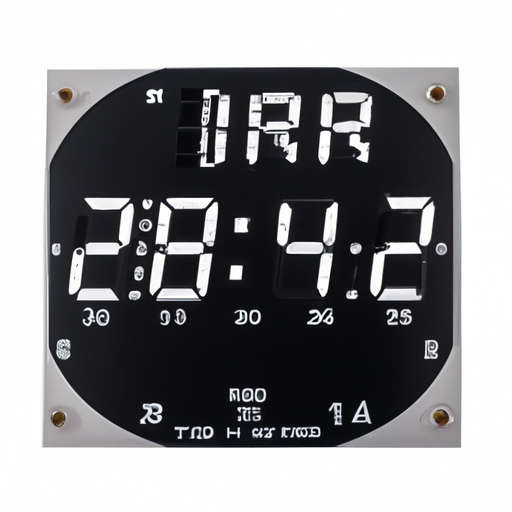
Real Time Clocks are indispensable components in a multitude of applications, providing accurate timekeeping and enabling various functionalities. Their low power consumption, ease of integration, and additional features like alarms and timers make them invaluable in modern electronics, from consumer devices to industrial systems. When developing applications that require precise timekeeping, selecting the right RTC and understanding its features is essential for achieving the desired functionality. As technology continues to evolve, the role of RTCs will likely expand, further enhancing their importance in the digital landscape.


